

Artificial Intelligence & Sustainability Redefines Style at Dubai Fashion Week

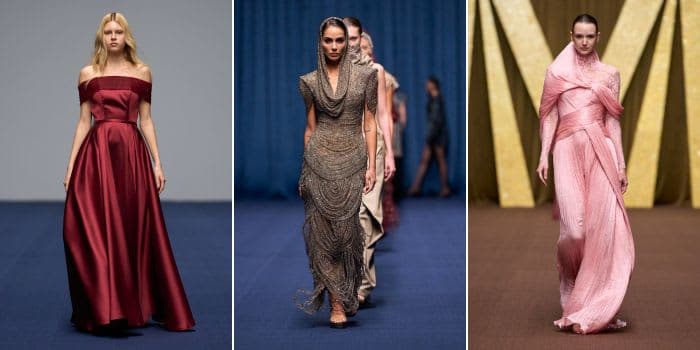
As the global fashion industry evolves, Kenya stands at a unique crossroads with the opportunity to embrace cutting-edge trends that are shaping the future of style. From the integration of artificial intelligence in design to the growing emphasis on sustainability, there is much that Kenyan designers, entrepreneurs, and consumers can learn from international platforms like Dubai Fashion Week.
The 2026 edition of the event, held at Dubai Design District, was a masterclass in innovation, creativity, and cultural celebration, offering valuable insights for fashion enthusiasts.
The week-long event brought together a mix of emerging and established designers, showcasing a variety of perspectives and approaches.
The lineup included international icons like John Richmond and Alberta Ferretti, alongside regional and emerging talents such as Lili Blanc, Lama Jouni, Kresha Bajaj, Emergency Room, and Dhara Shah. This diversity highlighted how global platforms like Dubai Fashion Week successfully merge traditional craftsmanship with modern innovation, creating a space where heritage and technology coexist seamlessly.
One of the most talked-about moments of the week was the debut of NŪRA, the region’s first AI-assisted eveningwear brand. NŪRA’s collection of elegant gowns and kaftans demonstrated how artificial intelligence can transform the design process, enabling designers to analyze trends, predict consumer preferences, and create unique pieces with precision and efficiency. NŪRA is a reflection of warmth, creativity, and connection—values deeply rooted in the region and beautifully expressed in every design.
By fusing cultural heritage with modern craftsmanship and AI-driven innovation, the collection exemplifies Chalhoub Group’s commitment to pioneering the future of luxury fashion.
While NŪRA’s debut was a significant milestone, it also highlighted the potential for AI to push creative boundaries further. Kenyans are already exploring AI in fashion through initiatives like AI-driven design tools that help create customized clothing and predict trends. Local designers are using AI to analyze consumer preferences, streamline production processes, and reduce fabric waste. Additionally, e-commerce platforms are incorporating AI for personalized shopping experiences, virtual try-ons, and inventory management.
These advancements not only enhance efficiency but also support sustainability by reducing overproduction and waste, showing how AI can contribute to eco-conscious practices in the fashion industry.
Sustainability was another key theme at Dubai Fashion Week, exemplified by Emergency Room, a Lebanese label that creates stunning garments from recycled materials. Using surplus fabrics, vintage buttons, and lace tablecloths, the brand crafted unique pieces that were both eco-friendly and fashion-forward.
This approach to upcycling offers a valuable lesson for designers, who can incorporate similar practices to create sustainable collections that appeal to environmentally conscious consumers.
The event also highlighted cultural dialogue through collections like Narma’s, which emphasized balance and cultural exchange. Saudi designer Noof Al Rashed’s designs, for example, incorporated translucent, sand-colored silk and intricate beadwork, blending ancient and modern aesthetics. This serves as a reminder of how Kenya’s own cultural heritage can inspire local designers to embrace their roots while appealing to global markets. Events like Nairobi Fashion Week continue to provide a platform for showcasing such creativity, offering local designers an opportunity to celebrate their heritage while positioning themselves for global recognition.
Manish Malhotra, one of India’s most celebrated designers, closed the event with a stunning homage to his homeland. His collection, “Inaya: The India Story,” celebrated the intricate craftsmanship and rich heritage of India, with chikankari embroidery, Kashmir threadwork, and luxurious fabrics brought to life by master artisans. The show was a fitting conclusion to a week that blended cultural heritage with modern design, demonstrating how tradition can be a powerful source of inspiration for contemporary fashion.
Emerging designers also made their mark at the event, providing inspiration for Kenyan creatives. Dhara Shah debuted with sculptural and intricate designs, including a cream mini dress in ruched raw silk embellished with clusters of beads and pearls. Her standout pieces, such as a bodysuit wrapped in cascading ruffles and a fragile-looking mini dress adorned with three-dimensional silk flowers, showcased a mastery of craftsmanship and bold creativity.
Lama Jouni redefined wardrobe essentials by blending menswear tailoring with feminine elements. Her collection featured roomy suits styled with matching shirts, including a grey ensemble paired with a coordinating overcoat. She also added a modern twist by incorporating loose-cut white mini dresses cinched at the waist with moleskin corsets, softening the tailoring with a more feminine counterpoint.